Description
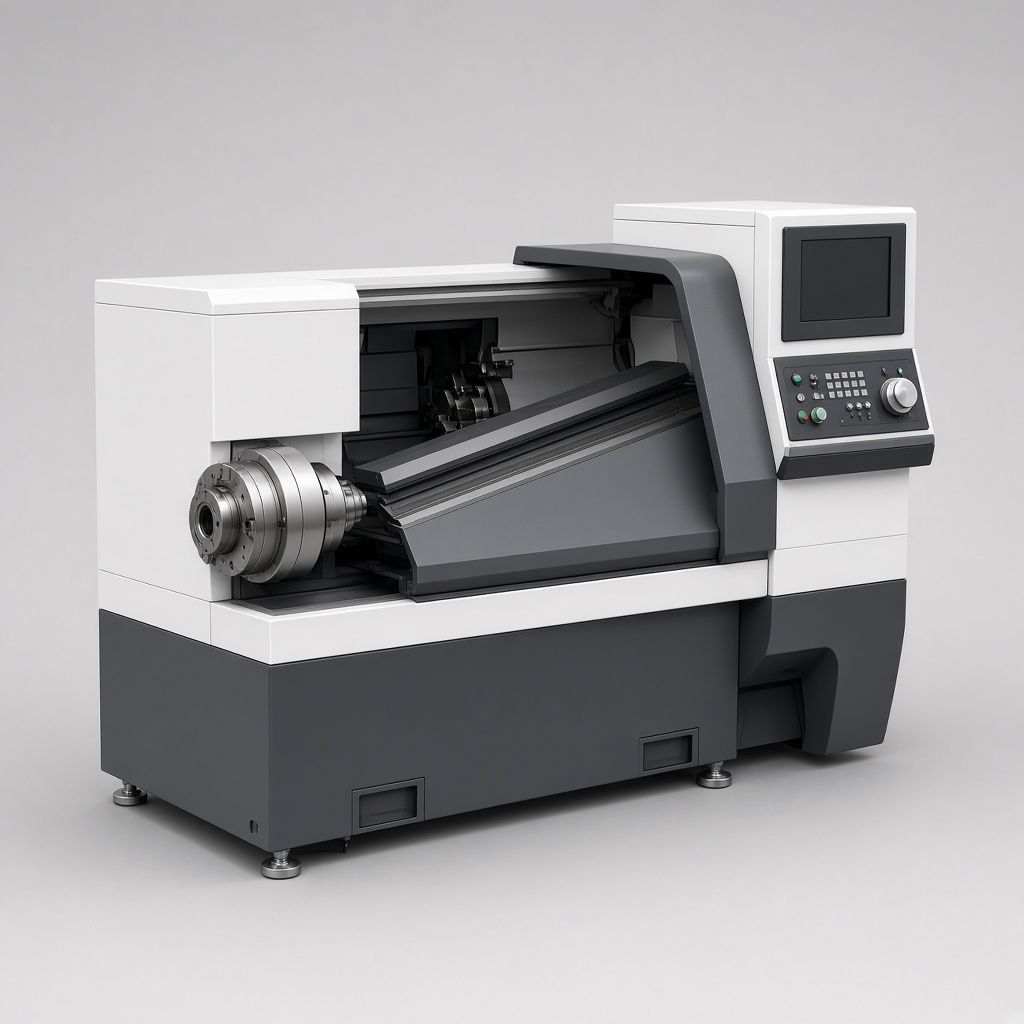
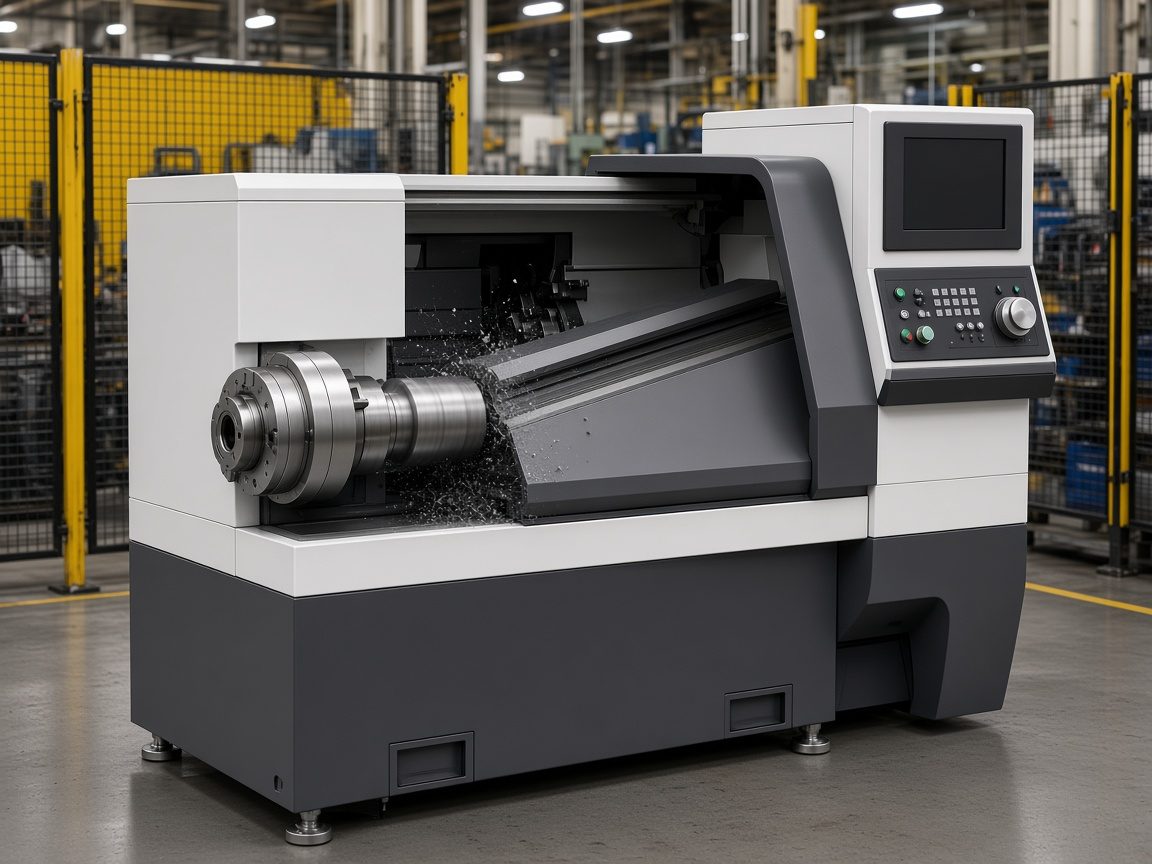
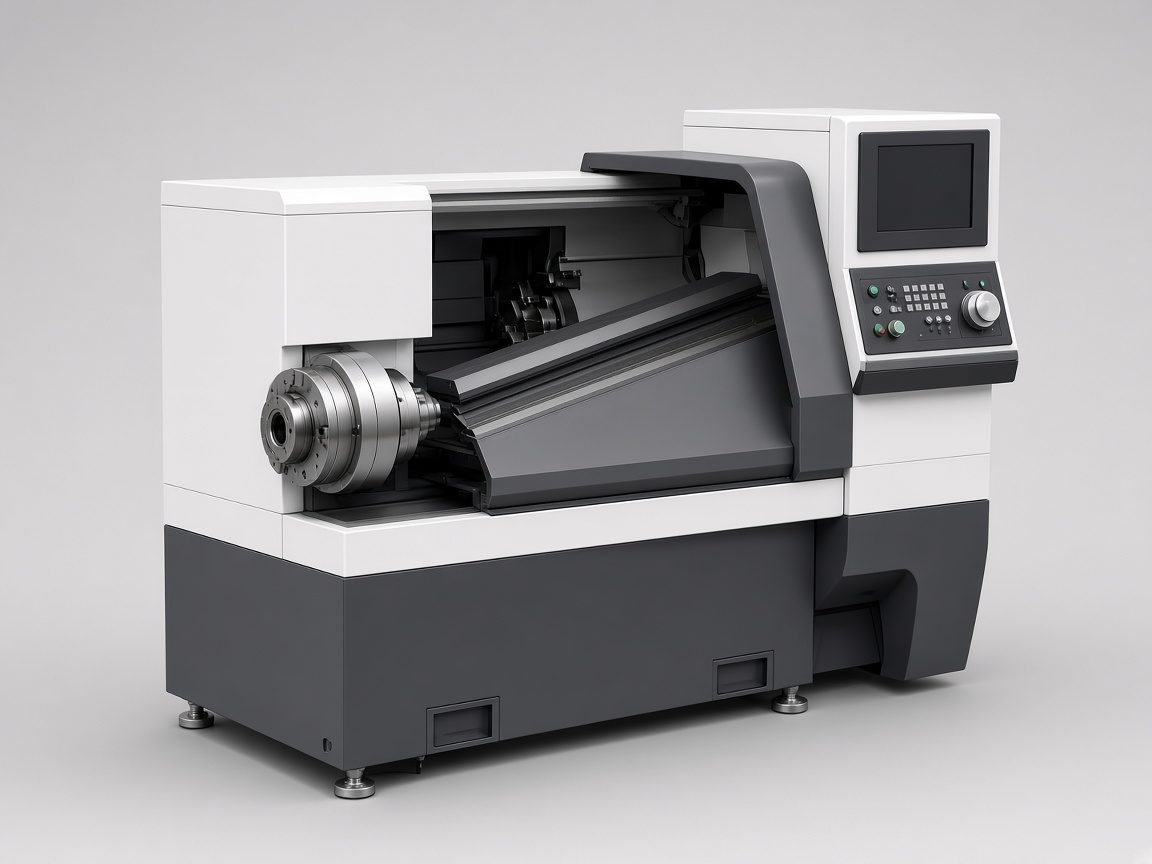
The CNC Lathe Machine is designed for precision turning operations in which a workpiece rotates while cutting tools remove material to produce the required dimensions and surface profiles. Controlled by a computer numerical control system, the machine follows programmed machining instructions to manufacture cylindrical, conical, stepped, and other rotational components with consistent accuracy. It is suitable for manufacturers that require repeatable machining results, efficient production cycles, and reliable control over component dimensions.
Typical applications include shafts, bushings, sleeves, threaded components, pins, rollers, fittings, connectors, and other precision mechanical parts. Depending on the machine configuration, compatible materials may include carbon steel, stainless steel, aluminum alloys, brass, and other machinable metals. The machine can support a range of turning operations, including external turning, internal boring, facing, grooving, threading, and chamfering, using appropriate tools and machining parameters.
The CNC control system enables operators to program tool paths, spindle speeds, feed rates, cutting depths, and machining sequences. Once the program and workholding arrangement have been properly established, the machine can repeat the same operations across multiple workpieces with reduced dependence on manual control. This is particularly valuable for production runs in which consistent dimensions, standardized processes, and predictable cycle times are important.
Depending on the selected model, available features may include an automatic tool turret, programmable spindle control, bar feeding compatibility, a hydraulic chuck, a tailstock, live tooling, or automated part handling. These options can expand the range of machining operations and improve productivity for specific applications. However, the most suitable configuration depends on part geometry, required tolerances, production volume, and the complexity of the machining process.
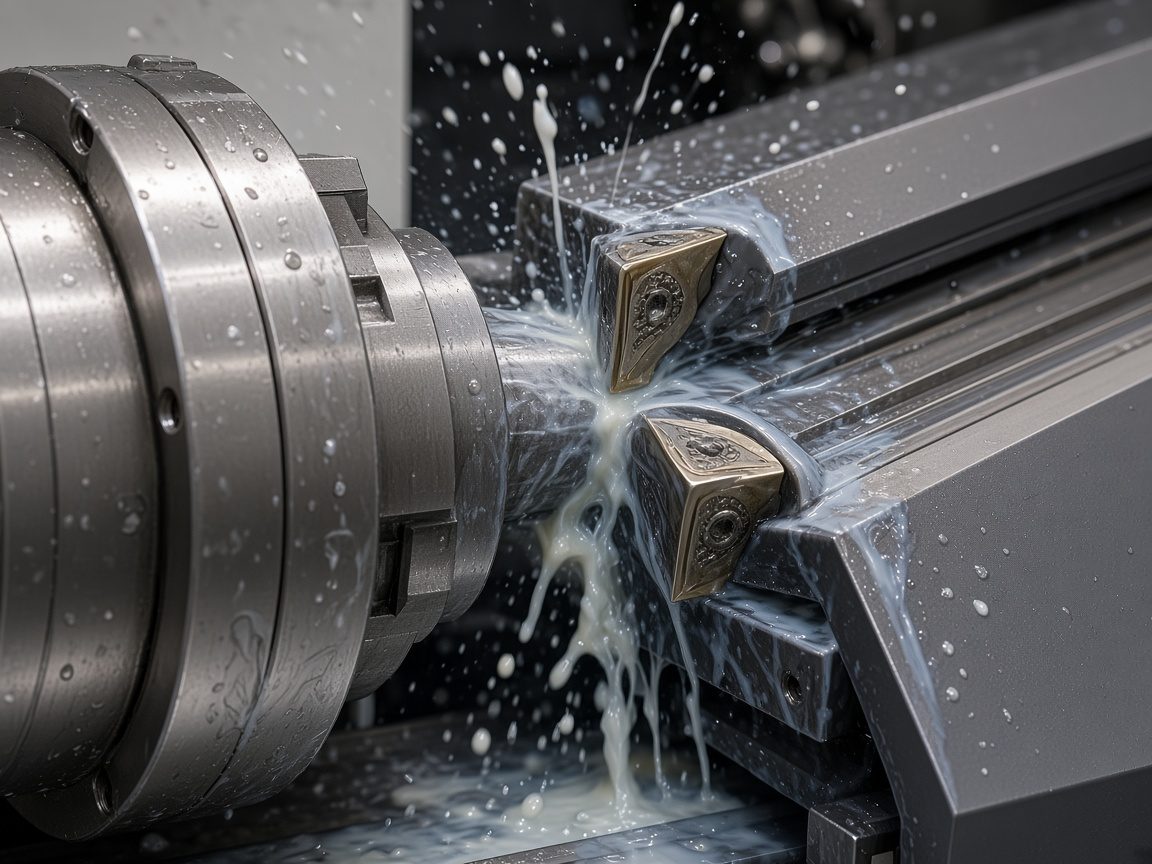
Successful CNC turning requires careful attention to workpiece clamping, tool selection, cutting conditions, program accuracy, and tool wear. Appropriate machining parameters help control surface finish, dimensional consistency, chip formation, and cutting temperature. First-piece inspection and periodic measurement are useful for confirming that production remains within the specified tolerances. Proper chip removal and coolant management can also contribute to stable machining conditions.
The CNC Lathe Machine can be integrated into a wider manufacturing workflow that includes CAD/CAM programming, quality inspection, deburring, and secondary machining. Regular maintenance of the spindle, guideways, lubrication system, chuck, tooling, and control components helps support reliable operation. Operators should also follow the manufacturer’s safety procedures and verify workholding and program settings before production begins.
When selecting a CNC lathe, manufacturers should evaluate maximum turning diameter, machining length, spindle speed, spindle bore, tool capacity, required accuracy, material type, and automation requirements. Matching these specifications to actual component requirements helps avoid unnecessary investment while maintaining sufficient production capability. With suitable programming, tooling, and maintenance, the CNC Lathe Machine provides an effective solution for precision turning, repeatable manufacturing, and efficient production of rotational components.