Description
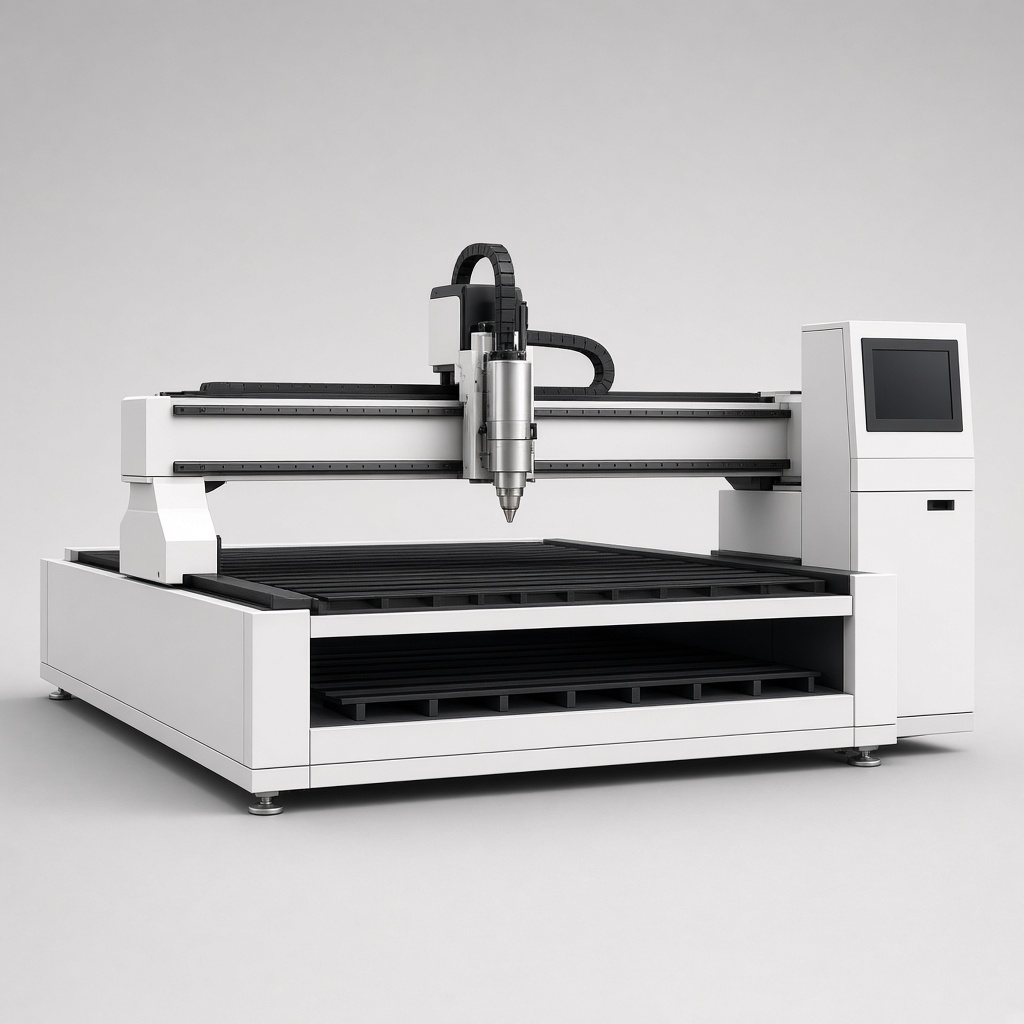
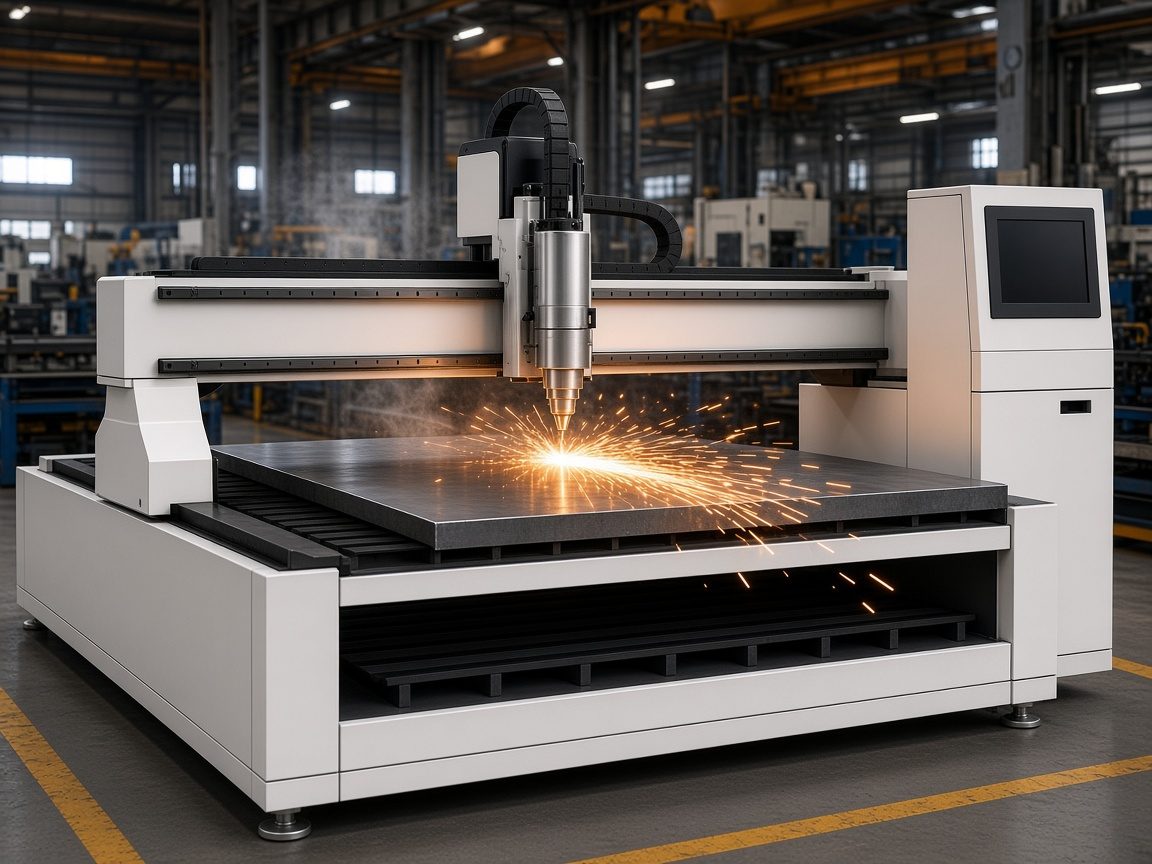
The Laser Cutting Machine is designed for precision cutting of sheet materials and metal components using a concentrated laser beam. By directing controlled laser energy onto the workpiece, the machine creates accurate cutting paths according to programmed designs and dimensional requirements. It is suitable for industrial manufacturers that require detailed profiles, clean edges, repeatable cutting results, and efficient processing of both simple and complex geometries.
Depending on the machine type and configuration, laser cutting systems can process compatible materials such as carbon steel, stainless steel, aluminum, and other suitable metals. Common applications include sheet metal parts, machine components, electrical cabinets, automotive brackets, architectural metal panels, industrial enclosures, and customized fabrication products. With appropriate material settings and cutting parameters, the machine can handle a wide range of shapes, from straight-line profiles to intricate contours and closely spaced cutouts.
One of the main advantages of laser cutting is its ability to follow digital design files with high precision. Computer numerical control allows the cutting head to move along programmed paths, helping reduce manual layout work and improve repeatability between production batches. The narrow cutting path can also support efficient material utilization, particularly when multiple parts are arranged through suitable nesting software. Depending on the application, this can help reduce material waste and minimize the need for secondary machining.
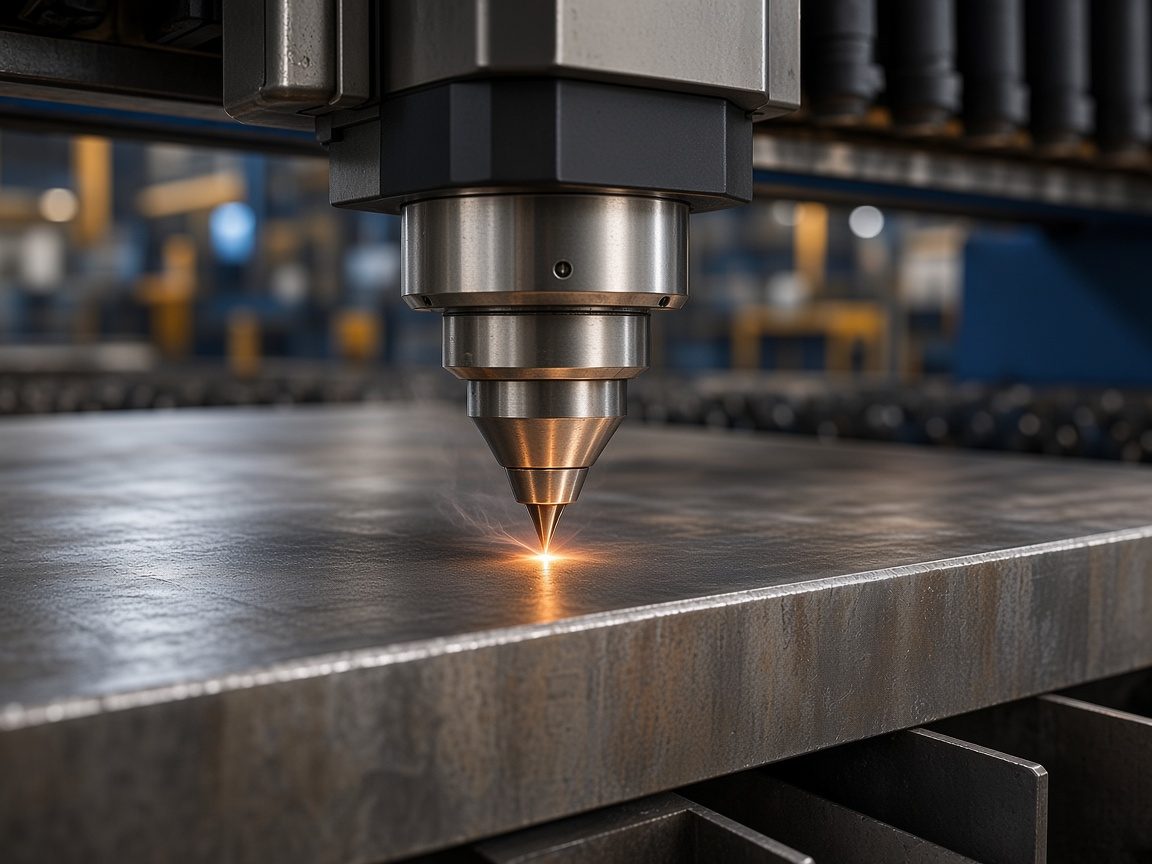
Cutting performance depends on factors such as laser power, material type, sheet thickness, cutting speed, assist gas selection, focus position, and nozzle condition. Proper parameter adjustment is essential for maintaining edge quality, controlling heat input, and reducing burr formation or excessive oxidation. An appropriate extraction and filtration system is also important for managing fumes and maintaining a suitable operating environment.
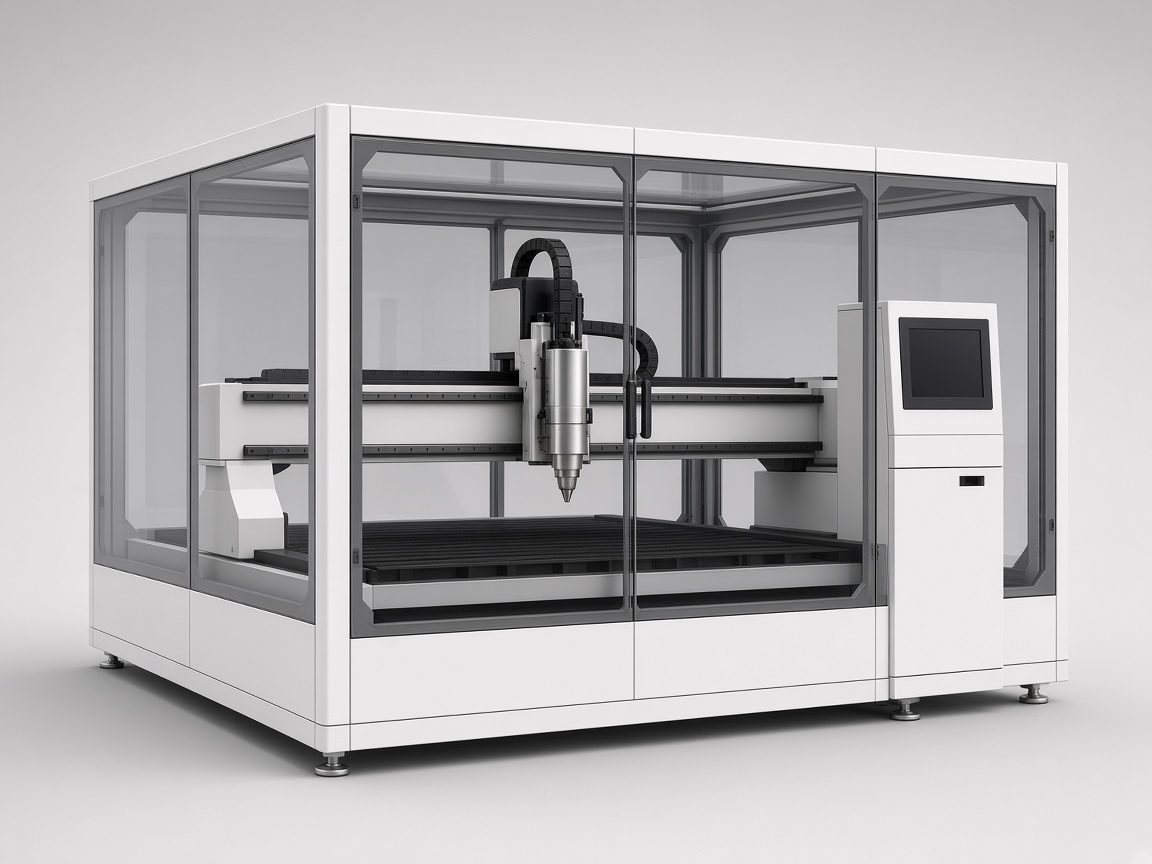
The Laser Cutting Machine can be integrated into a broader production process that includes CAD/CAM programming, automated material loading, part sorting, press braking, welding, and surface finishing. This integration helps create a more coordinated manufacturing workflow, from digital design to finished components. Regular maintenance of optical components, cutting heads, motion systems, cooling equipment, and safety enclosures helps preserve cutting quality and operational reliability.
When selecting a laser cutting machine, manufacturers should consider the materials to be processed, maximum sheet dimensions, required cutting thickness, production volume, accuracy requirements, automation needs, and available installation space. Evaluating these factors helps identify a configuration that matches actual production demands rather than relying on laser power alone. With suitable programming, optimized cutting parameters, and proper maintenance, the Laser Cutting Machine provides an effective solution for accurate metal fabrication, flexible production, and consistent manufacturing quality.