Description
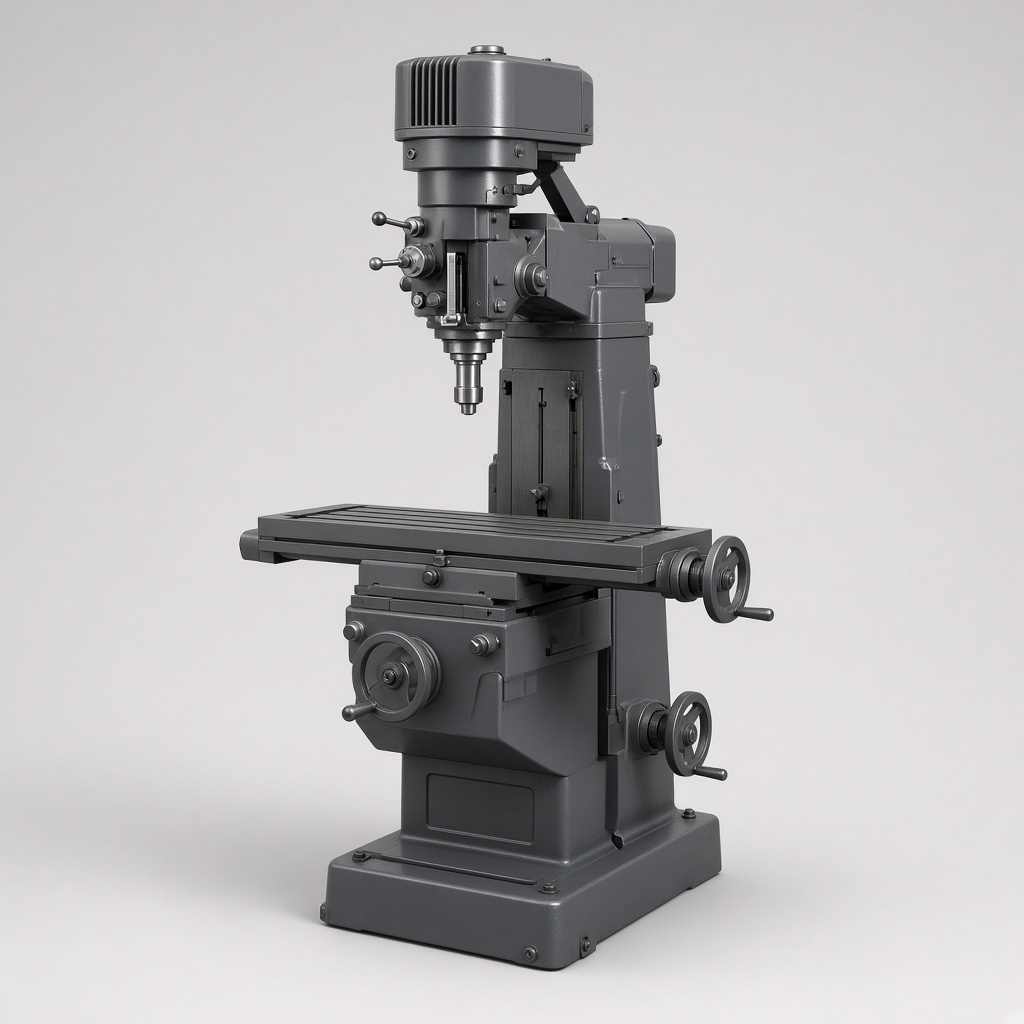
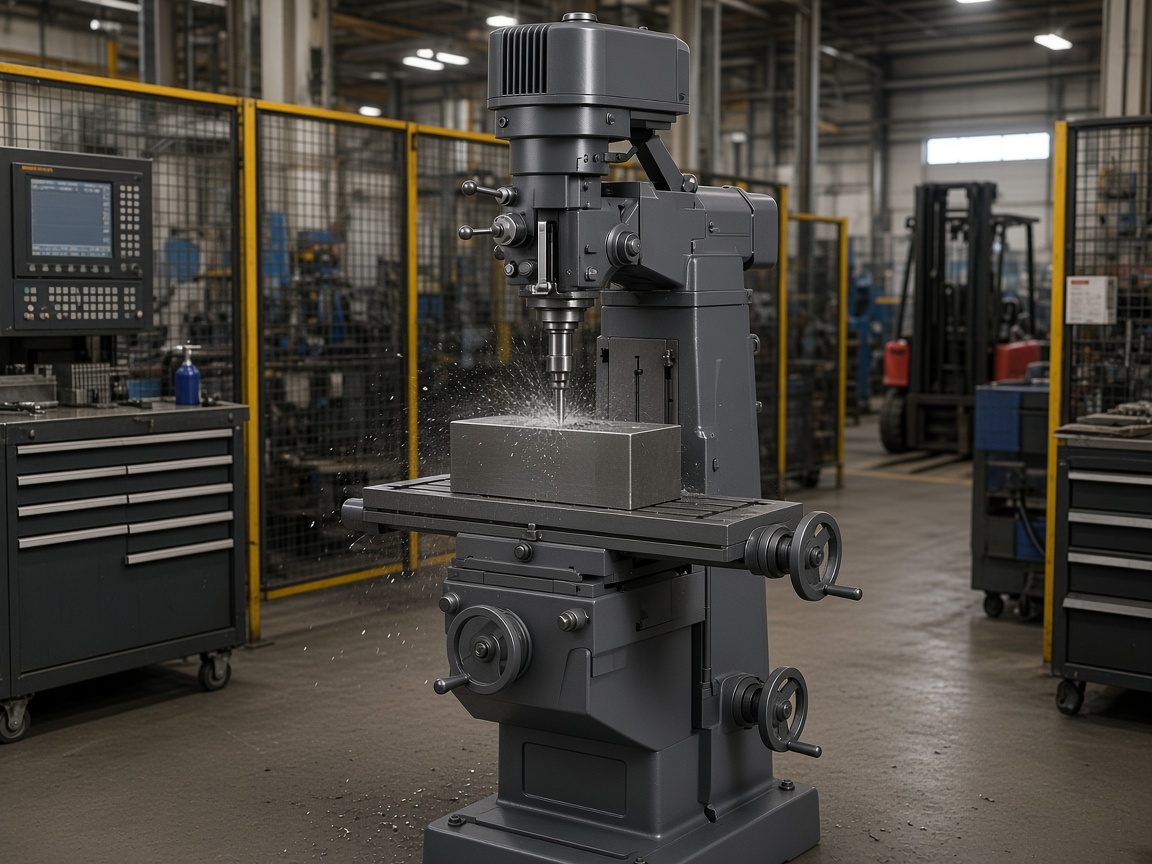
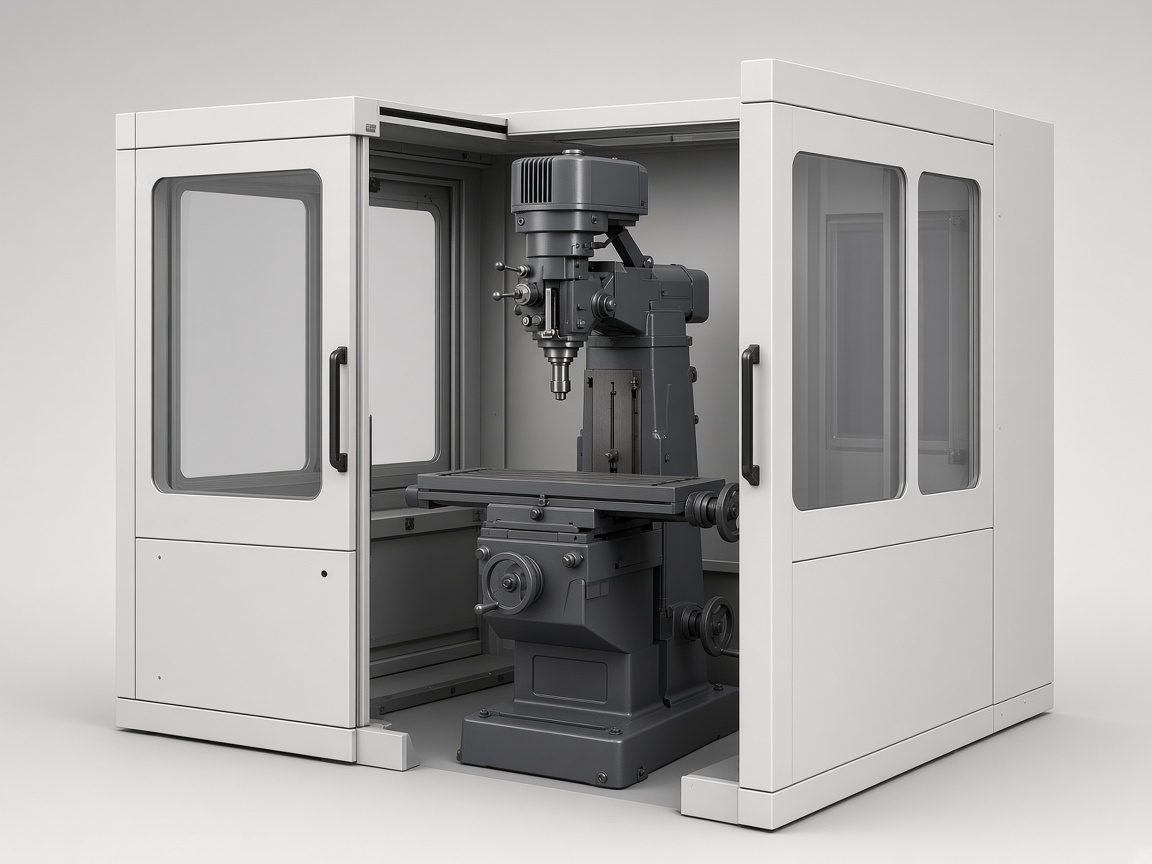
The Vertical Milling Machine is a versatile metalworking machine designed for machining flat surfaces, slots, grooves, pockets, steps, and other features on metal workpieces. Its vertically oriented spindle holds a rotating cutting tool that removes material as the workpiece is positioned and moved along the machine table. This configuration provides convenient access to the cutting area and makes the machine suitable for general machining, component manufacturing, maintenance workshops, and precision fabrication tasks.
The machine can be used to process compatible materials such as steel, aluminum, cast iron, copper alloys, and engineering plastics, depending on the cutting tools, machine rigidity, and operating parameters. Typical applications include machine brackets, equipment plates, fixtures, tooling components, mechanical housings, mounting surfaces, and custom-engineered parts. With appropriate cutters and workholding arrangements, it can perform a variety of machining operations without requiring a separate machine for every feature.
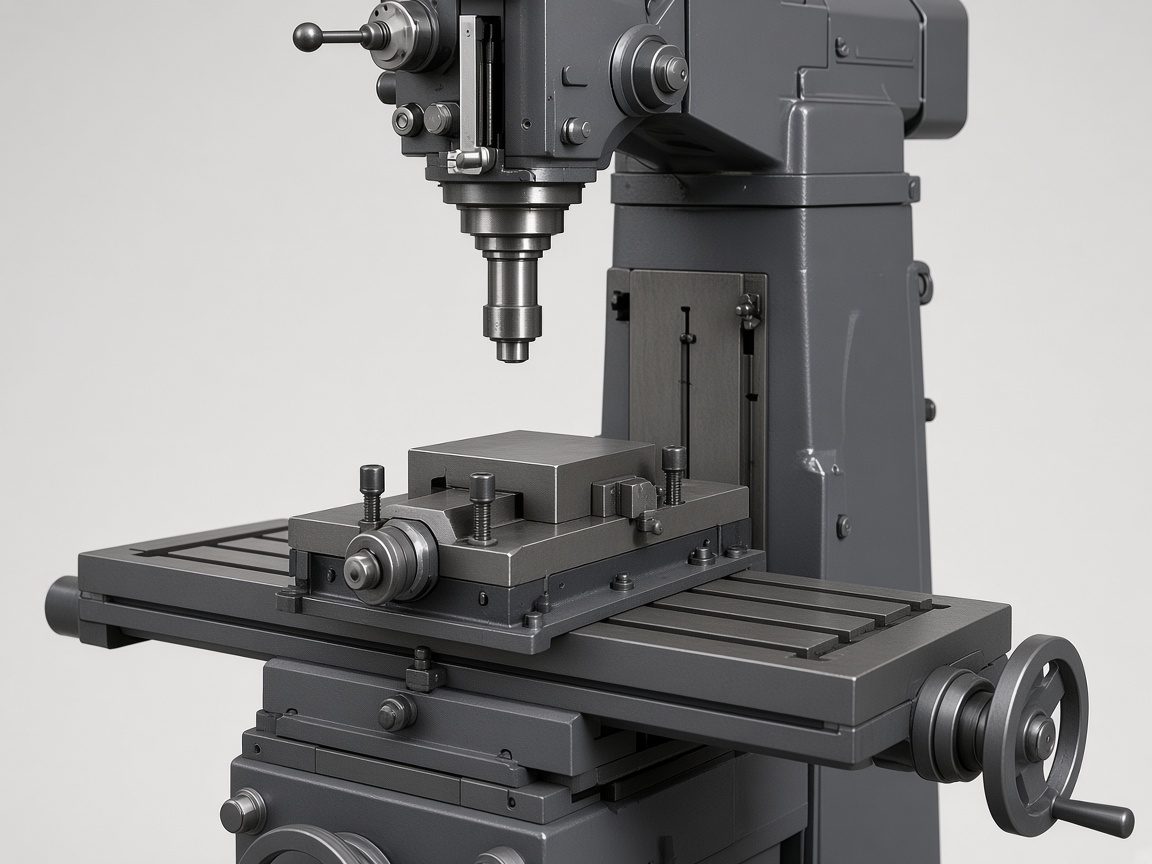
A vertical milling machine supports operations such as face milling, end milling, drilling, boring, and slot machining. The workpiece is secured to the machine table or a suitable fixture, while the spindle rotates the cutting tool at the selected speed. Controlled table movement and accurate positioning allow operators to remove material progressively and produce the required dimensions. Depending on the model, features may include variable spindle speed, adjustable feed rates, a precision table, a digital readout, and optional CNC capabilities.
Machining accuracy and surface finish depend on several factors, including spindle condition, tool geometry, cutting speed, feed rate, depth of cut, workpiece clamping, and machine rigidity. Choosing the correct cutting tool and maintaining stable workholding help reduce vibration, tool wear, and dimensional errors. For repeat production, documented machining parameters and consistent setup procedures can improve process repeatability and reduce unnecessary setup time.
The Vertical Milling Machine is suitable for prototype development, small-batch manufacturing, repair work, and a variety of production environments. It can complement other workshop equipment, including CNC lathes, drilling machines, grinding machines, and inspection instruments. Regular lubrication, spindle inspection, table cleaning, and maintenance of the feed mechanism help preserve machining accuracy and extend service life.
When selecting a vertical milling machine, manufacturers should consider the workpiece dimensions, table travel, spindle speed range, spindle taper, required cutting capacity, positioning accuracy, and intended machining operations. The choice between manual, digitally assisted, and CNC configurations should reflect the complexity of the parts and the expected production volume. With proper tooling, accurate setup, and routine maintenance, the Vertical Milling Machine offers a flexible and dependable solution for general-purpose machining and precision component production.